
This content was aggregated from local dealer and data and insights provided by the USA Today Network Automotive Insights team using Google Gemini and the Vehicles for Sale Near Savannah marketplace writing team.
On roads all over Coastal Georgia, it is common to see Honda Civics that are clearly not new but still running reliably. Many of these cars have odometers showing well past 150,000 or 200,000 miles, and a significant number go even further with attentive care. This pattern has helped the Civic earn a reputation as one of the most dependable compact cars available.
For drivers Near Savannah who want a car that can deliver years of service with predictable costs, understanding why Civics last so long can make the decision to buy one feel much more confident. The explanation involves engineering, build quality, and the way owners maintain and drive them.
Honda’s approach to the Civic is based on steady, incremental improvement rather than constant reinvention. Over multiple generations, the brand has refined its engines, transmissions, and core mechanical systems, emphasizing proven designs and reliability. This careful evolution helps reduce the risk of unexpected problems and contributes to the model’s long record of durability.
Many Civics can reach 200,000 to 300,000 miles with regular maintenance, and some documented examples exceed that range. For the average driver covering around 12,000–15,000 miles per year, that can translate into well over a decade of service before major repairs become likely.
At the center of the Civic’s longevity is its engine lineup. Honda’s four‑cylinder engines are engineered for efficiency and long‑term durability, with attention to internal tolerances, cooling, and lubrication that helps them withstand high mileage.
Key characteristics include:
A focus on balanced power rather than extreme outputs, which reduces internal stress under everyday driving.
High‑quality materials and components that stand up to repeated heat cycles and long trips.
Gradual refinement of engine families over time, rather than frequent radical redesigns.
When combined with regular oil changes and proper maintenance, these design choices mean the Civic’s engine often remains among the least troublesome components, even as the car ages.
Longevity is not just about the engine. The Civic’s body structure and chassis are built to handle many years of daily use. High‑strength materials in crucial areas help maintain rigidity, which benefits both safety and long‑term driving feel.
Owners often report that well‑maintained Civics still feel solid and composed even with higher mileage, which reflects the attention Honda pays to assembly quality and fitment. Good structural integrity also helps reduce squeaks, rattles, and premature wear on suspension and interior components, making the car feel younger than its odometer might suggest.
Another reason Civics last is Honda’s preference for simplicity, where it matters most. While modern models offer advanced safety and infotainment features, their underlying mechanical layout and core systems are generally straightforward and well‑understood.
This has several benefits for long‑term reliability:
Fewer overly complex subsystems that could fail in unusual ways.
Easier diagnosis and repair for technicians familiar with the platform.
Lower likelihood of obscure issues that might be difficult to trace as the car ages.
By focusing on well‑tested designs, Honda reduces the number of “unknowns” that can limit a vehicle’s lifespan.
Even with strong engineering, the Civic’s longevity depends heavily on how it is cared for. Service intervals exist for a reason, and owners who follow them typically see the best results.
Critical maintenance steps include:
Oil and filter changes at recommended intervals using appropriate fluids.
Regular inspection and replacement of fluids, including coolant, transmission fluid, and brake fluid.
Keeping up with scheduled services for spark plugs, filters, and belts.
Monitoring tires, brakes, and suspension components for wear and addressing issues promptly.
Dealership and independent reports show that Civics that receive consistent, proactive maintenance can often reach 200,000 miles or more without needing major engine work. In contrast, deferred maintenance can shorten the car’s life and lead to costlier repairs.
How a Civic is driven Near Savannah also affects its longevity. Highway‑heavy driving typically generates less wear per mile than constant short trips and stop‑and‑go traffic. Gentle acceleration, smooth braking, and avoiding prolonged high‑speed operation help reduce strain on the engine, transmission, and brakes.
Environmental factors matter as well. Managing exposure to salt air in coastal regions, periodically washing the underbody, and addressing rust or paint chips early can help preserve the Civic’s body and underside over time.
When careful driving habits are combined with good maintenance, Civics in this region are well‑positioned to accumulate high mileage without major incident.
Across owner communities and dealership service departments, many Civic drivers report reaching or exceeding 200,000 miles without significant failures, provided they kept up with maintenance. Some owners note odometer readings in the 250,000–300,000‑mile range with original engines and transmissions still functioning well.
These real‑world experiences support what reliability studies and dealership data indicate: when properly cared for, Civics often outlast the expectations many people have for compact cars.
The Civic’s longevity does more than keep a car on the road; it can also improve total cost of ownership. Because Civics are known to last, they often maintain stronger resale value than less‑proven models. Lower chances of unexpected major repairs, combined with consistently good fuel efficiency, can make long‑term budgeting easier.
For buyers near Savannah, this means that choosing a Civic is not only about reliability but also about financial predictability. Whether kept for a decade or sold after a few years, the car’s reputation for durability continues to work in the owner’s favor.
Recent Civic generations continue to build on this legacy. Modern models add advanced safety and driver‑assistance features while maintaining the same focus on quality construction and proven engine families. With regular maintenance, newer Civics are expected to achieve similar long‑life performance as earlier versions.
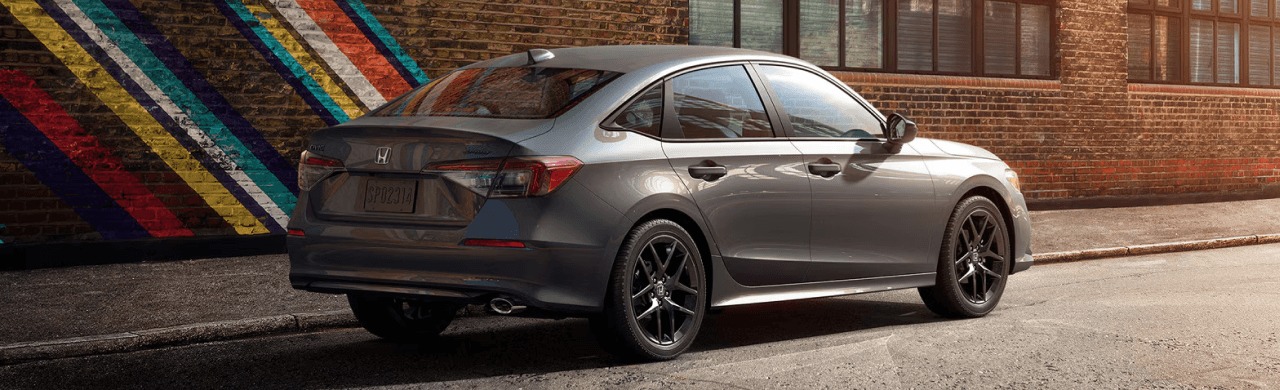
For drivers considering a 2026 Honda Civic Near Savannah, the expectation remains that a well‑maintained vehicle can deliver many years of service and high mileage before major repairs become likely.
Q: How many miles can a Honda Civic usually last?
A: With proper maintenance, many Honda Civics routinely reach 200,000–300,000 miles, and some examples go even higher before needing major repairs.
Q: What maintenance is most important for keeping a Civic running a long time?
A: Regular oil changes, timely fluid replacement, tire rotations, and staying on schedule with Honda’s recommended services are essential to achieving high mileage.
Q: Are newer Honda Civics as reliable as older ones?
A: Newer Civics continue to score well in reliability evaluations and use refined engine families and quality components intended to support long‑term durability.
Q: Do Civics cost more or less to maintain than other cars?
A: Average annual repair and maintenance costs for Civics are typically lower than many competitors, which supports their reputation as economical long‑term vehicles.
Q: Where can I find a 2026 Honda Civic Near Savannah?
A: Drivers can explore, test drive, and purchase the 2026 Honda Civic at Nalley Honda Brunswick, which serves Savannah and nearby communities with new Civic inventory and service support.
Written for https://vehiclesforsalenearsavannah.com
By the USA TODAY Network Automotive Insights Team, in collaboration with Nalley Honda and the Vehicles for Sale Near Savannah.